






From November to March, the cooler months are perfect for outdoor activities like beach trips, park visits, festivals, and desert trips. In the hot summer, life moves indoors to malls, aquariums, indoor ski slopes, and pools.
This guide gives you a resident’s honest take: what’s truly worth your time, what’s overhyped, what to do in each season, and the local rules to know before you visit.
Table of Contents
What is there to do in Dubai?
There is an enormous range of things to do in Dubai, spanning iconic landmarks, beaches and outdoor life, desert adventures, world-class dining and nightlife, family attractions, shopping, and cultural experiences.
The city is built for leisure and hospitality. Its offerings divide neatly into categories: the headline sights everyone knows, the outdoor life that comes alive in winter, the indoor entertainment that carries the summer, the dining scene that residents rank among the world’s best, and the day trips that reveal the country beyond the skyline.
What surprises many newcomers is how much of Dubai’s best leisure is free or cheap. The Dubai Fountain shows, the beaches, the parks, the Marina and JBR promenades, the traditional areas of Deira and Al Fahidi, and much of the desert are free or nearly so — a useful counterweight to the reputation for expense.
The premium experiences (fine dining, luxury brunches, theme parks, observation decks) sit alongside a deep bench of genuinely affordable options.
Another key factor is seasonality, which affects everything. A list of things to do that ignores the calendar won’t work in Dubai, since an activity that’s perfect in January might be impossible in July. The sections below are organized with this in mind, showing what’s worth doing and, just as important, when to do it.
Which Dubai landmarks are actually worth it?
The landmarks in Dubai that are truly worth your time include the Burj Khalifa and its Downtown area, the Dubai Fountain, the Palm Jumeirah, the Dubai Frame, and the historic districts of Al Fahidi and Deira. Some heavily marketed attractions, according to most residents, are better skipped or simply enjoyed for free from the outside.
The main sights are famous for a reason, but knowing which ones to pay for and which to see from outside can save you money and disappointment.
The ones worth paying for: the Burj Khalifa observation deck delivers a genuinely spectacular view (book the sunset slot and pre-book online to avoid queues and peak pricing), and the View at the Palm offers a comparable panorama often at lower cost.
The Dubai Frame gives a striking old-versus-new perspective for a modest ticket. Museum of the Future is architecturally stunning and worth it if the theme interests you.
The best free experiences include the Dubai Fountain show at the base of the Burj Khalifa, which is one of the city’s highlights and completely free. Watch it from the promenade or the bridge instead of paying for a restaurant table with a fountain view.
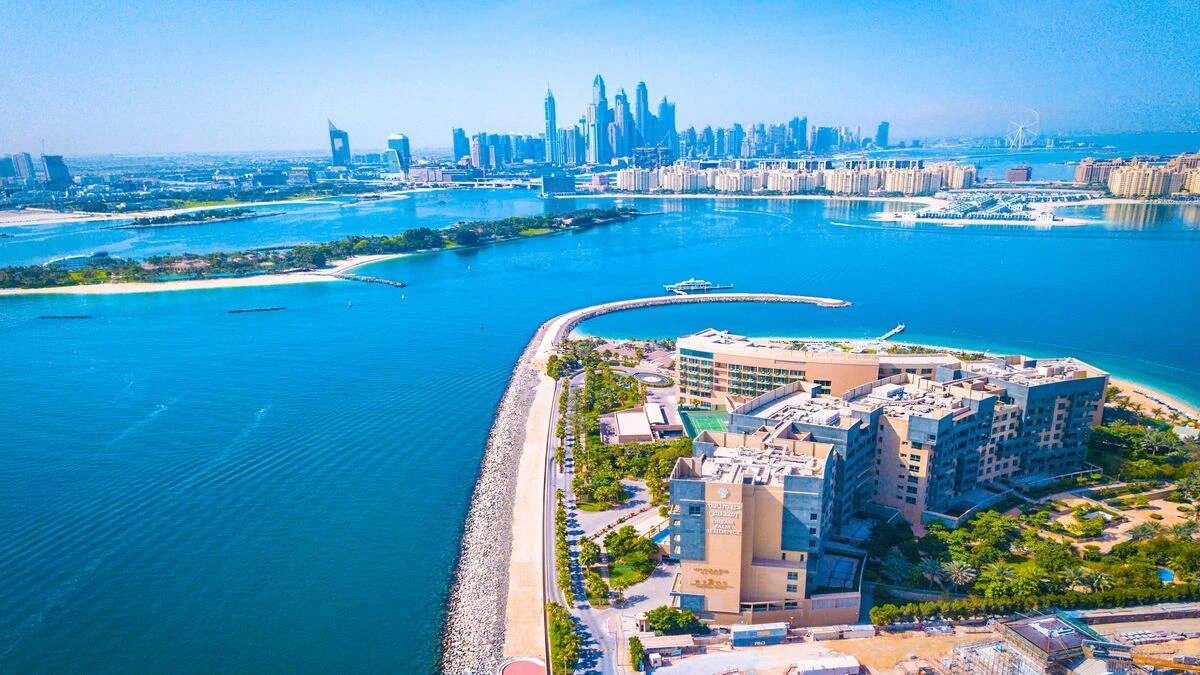
The Palm Jumeirah is best enjoyed by driving or walking along the boardwalk, rather than paying for a specific attraction. Deira, Al Fahidi, and the abra (water taxi) ride across the Creek offer the most authentic sense of old Dubai for just a few dirhams. Our dining and neighborhood guides suggest good places to stop along the way.
What are the best beaches, parks, and outdoor spots?
Dubai’s best outdoor spots, including its public beaches, parks, and waterfront promenades, are some of the city’s greatest free attractions. They are especially popular from October to April, when the weather is ideal.
Kite Beach, JBR’s The Beach, and the free public beaches along Jumeirah offer clean sand, swimming, and running tracks. Parks like Zabeel Park, Al Barsha Pond Park, and many community parks provide green spaces and picnic areas throughout the city.
Each beach has its own vibe. Kite Beach is active and social, with watersports, a running track, food trucks, and a young crowd. JBR’s The Beach is more developed, with restaurants, shops, and a cinema. The Jumeirah public beaches are quieter and simpler.
Most public beaches are free, while beach clubs like Nikki Beach, Kite Beach’s paid clubs, and hotel beaches charge for loungers, service, and pools. The desert is also a great outdoor option, accessible by desert safaris or, for the adventurous, by driving yourself to the dunes.
The most important thing to remember is the season. From June to September, beaches and parks are basically off-limits during the day because the heat and humidity make them unsafe in the midday sun, and even evenings can be very hot.
Outdoor activities in Dubai are best enjoyed in winter, so it’s important to plan your outdoor bucket list for the cooler months. For more on desert experiences and outdoor adventures, check out our day-trip and weekend escape guides.
Related: Best Free Beaches in Dubai and Best Time to Visit Dubai for the seasonal details.
Where should you eat, and what’s the deal with brunch?
Dubai’s dining scene is truly world-class and fits every budget, from excellent and affordable South Asian, Filipino, Lebanese, and Emirati food to some of the world’s most celebrated fine dining.
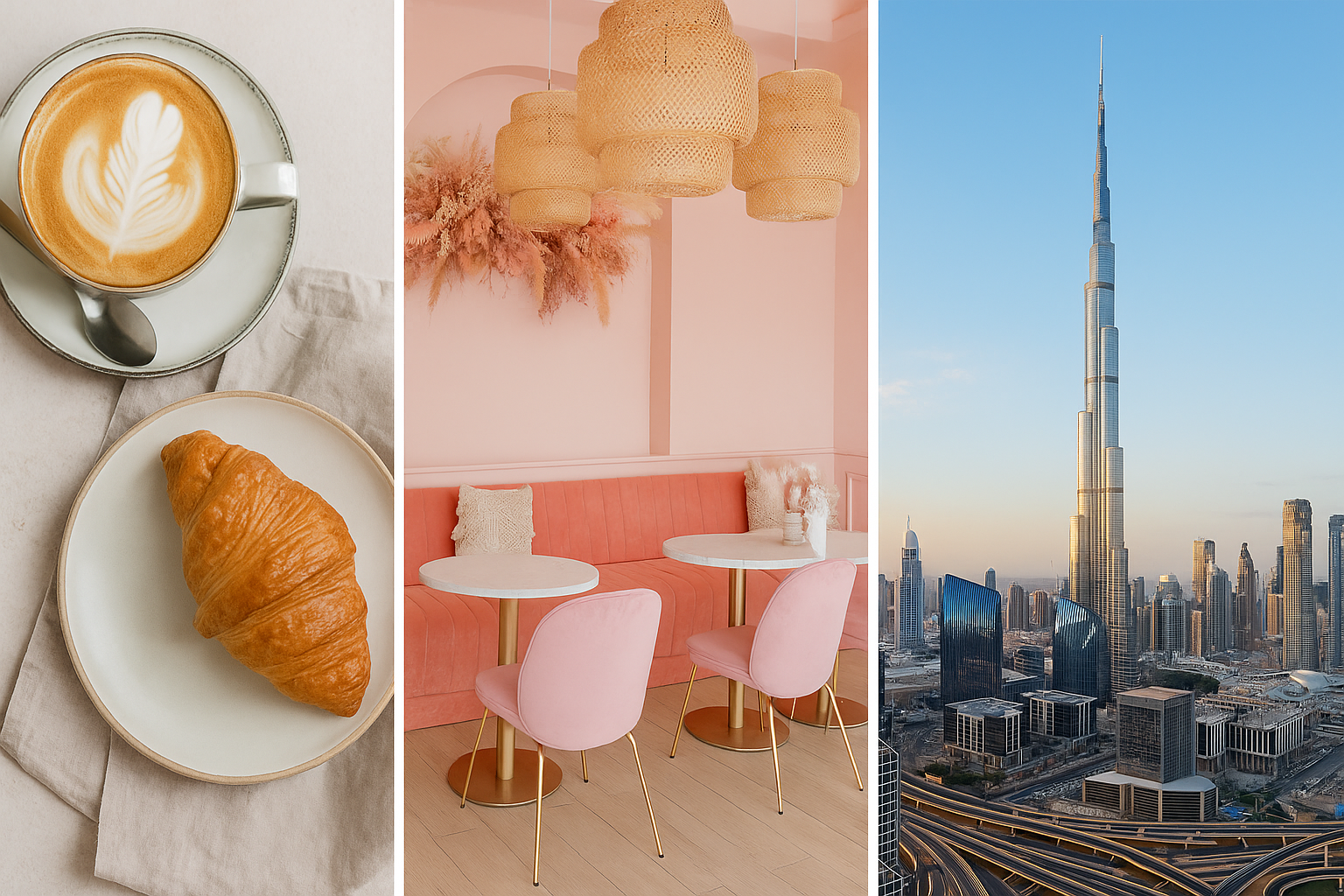
The Friday and Saturday brunch is a Dubai tradition you won’t find anywhere else. As residents, we think the city’s best food is often at the affordable end, but the big brunch is a must-try at least once.
The brunch tradition in Dubai is unique and worth explaining for newcomers. A Dubai brunch isn’t just a casual weekend meal. It’s a multi-hour, all-you-can-eat-and-drink event at a hotel or restaurant, usually on Friday or Saturday.
Brunches range from relaxed family gatherings to lavish, lively parties. Prices go from about AED 200 to over AED 700 per person, depending on the venue and drinks package. It’s the main way people socialize on weekends, and every resident has their own favorites.
Besides brunch, residents in Dubai like to mix upscale and casual dining. One week might be a world-class tasting menu, and the next could be an AED 20 plate of excellent biryani or shawarma.
Each neighborhood has its own dining style: Marina and JBR are great for waterfront dining, Downtown is the place to see and be seen, Al Quoz is known for its hip independent spots, and the older areas of Deira and Karama offer the best-value authentic food in the city.
Dig into Best Brunches in Dubai — A Resident’s Ranked Guide, Best Restaurants From a Local, and Top Emirati Cuisine to Try.
What can you do in Dubai when it’s 45°C?
When Dubai reaches 45°C in summer, everyone heads indoors to enjoy the city’s world-class air-conditioned attractions. These include mega-malls, indoor theme parks, aquariums, the indoor ski slope at Mall of the Emirates, cinemas, and hotel pools and beach clubs with cooled water.
Summer in Dubai isn’t a dead season; it’s just an indoor one. Residents plan their social lives from June to September around these climate-controlled options, along with early-morning and late-evening outdoor activities.
The indoor entertainment is genuinely impressive. Ski Dubai puts real snow and a ski slope inside a mall. The Dubai Aquarium, IMG Worlds of Adventure (the world’s largest indoor theme park), and numerous trampoline parks, indoor play centers, and VR experiences keep families busy.
The malls themselves — Dubai Mall and Mall of the Emirates chief among them — are destinations in their own right, combining shopping, dining, cinema, and attractions under one cooled roof.
Residents also exploit the margins of the day. Residents also make the most of the cooler parts of the day. Early mornings (before 8 am) and late evenings (after sunset) offer short windows for outdoor activities, and many pools and beach clubs cool their water during summer.
Summer is also when Dubai offers special promotions. Dubai Summer Surprises brings retail deals, and hotels and restaurants provide staycation and dining discounts to attract residents during the quieter season.
Our summer survival guide has all the details. Dubai Hotels for Staycations to beat the heat.
What are the best things to do with kids in Dubai?
Dubai is exceptionally well-suited for families, with theme parks, water parks, aquariums, indoor play centers, beaches, and parks that give children year-round options. The city’s safety, its density of purpose-built family attractions, and its indoor options for summer make it one of the easiest places in the world to keep children entertained.
The headline family attractions include the water parks (Aquaventure at Atlantis, Wild Wadi, Laguna), the theme parks (Motiongate, Legoland, IMG Worlds), the Dubai Aquarium and Underwater Zoo, and Ski Dubai for snow play.
For everyday outings, the community parks, Kite Beach, and the many indoor play centers and edutainment venues (KidZania, OliOli, museums) are popular on weekends and during school holidays. Most are climate-controlled or have indoor options, which matters enormously in summer.
The residents often buy annual passes for the attractions their families visit most. Water parks and theme parks offer annual memberships for residents, which can quickly pay off if you go often.
Most families combine free outdoor activities in winter with a few annual attraction passes for summer to balance costs across the seasons.
Our Daily Life section covers more about family life in Dubai. Dubai Summer Camps and Kids’ Activities and the Daily Life in Dubai family section.
What are the best day trips and weekend escapes from Dubai?
The best day trips and weekend escapes from Dubai include Hatta (mountains, wadis, and kayaking, about ninety minutes away), Abu Dhabi (the capital, with the Grand Mosque and Louvre, also ninety minutes away), and the northern emirates of Ras Al Khaimah and Fujairah (mountains, beaches, and the UAE’s east coast).
Dubai’s central location in a small country means you can reach very different landscapes—mountains, quiet beaches, and heritage sites—within a short drive. These trips are how residents get away from the city on weekends.
| Destination | Drive time | Best for | Best season |
| Hatta | ~1.5 hrs | Mountains, kayaking, hiking | Oct–Apr |
| Abu Dhabi | ~1.5 hrs | Grand Mosque, Louvre, culture | Year-round (indoor) |
| Ras Al Khaimah | ~1 hr | Jebel Jais, zipline, beaches | Oct–Apr |
| Fujairah | ~1.5–2 hrs | East-coast beaches, diving | Oct–May |
| Al Ain | ~1.5 hrs | Oasis, heritage, Jebel Hafeet | Oct–Apr |
| Musandam (Oman) | ~2.5 hrs | Fjords, dhow cruises (needs border crossing) | Oct–Apr |
Full guides: Hatta Weekend Guide and Best Weekend Trips From Dubai.
What’s on in Dubai throughout the year?
Dubai’s events calendar is full from October to April and quieter during the summer. The Dubai Shopping Festival anchors the winter season, while concerts, sports, and food festivals fill the cooler months.
Dubai Summer Surprises draws crowds during the hot season. Planning around this calendar is part of life for residents, since the best events happen in the pleasant months and the city’s pace changes throughout the year.
Winter (roughly November to March) is the peak season in Dubai. The Dubai Shopping Festival offers weeks of retail deals, entertainment, and fireworks. Major concerts, comedy shows, and sporting events like tennis, golf, rugby sevens, and horse racing fill the calendar, ending with the Dubai World Cup.
Food festivals, art fairs such as Art Dubai, and outdoor markets make the most of the good weather. New Year’s Eve features one of the world’s most famous fireworks displays at the Burj Khalifa.
During summer, most activities move indoors and focus on special promotions. Dubai Summer Surprises offers shopping deals and family entertainment to attract visitors during the quieter months. Eid holidays, which change dates each year with the Islamic calendar, bring celebrations and events.
Ramadan, which also shifts earlier each year, changes the city’s rhythm for a month, with quiet days and lively evenings, including special iftar and suhoor experiences throughout Dubai.
Time-sensitive guides: Dubai Shopping Festival 2027, Dubai New Year’s Eve, and our seasonal what’s-on updates.
What can and can’t you do in Dubai? (Laws and etiquette)
Dubai is more relaxed than many people expect, but also stricter than some might think. Alcohol is legal in licensed venues, unmarried couples can live together, and modest but normal Western dress is fine in most places.
However, public intoxication, public displays of affection beyond mild gestures, drug offenses, and disrespect toward religion can lead to serious penalties. Knowing the real rules, instead of relying on stereotypes, helps you enjoy the city and avoid problems.
On the relaxed side: alcohol is served in licensed hotels, bars, and restaurants, and residents can buy it for home consumption. Unmarried cohabitation was decriminalized in 2020 and is now common among expats.
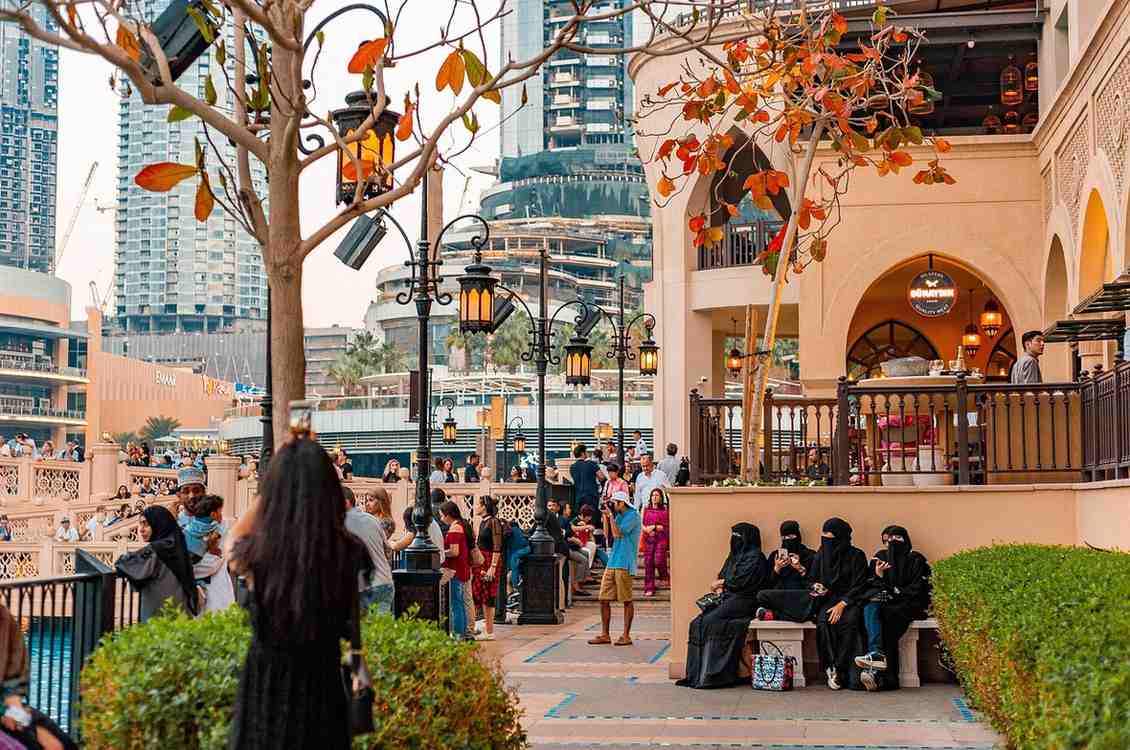
Every day, Western clothing is fine in malls, restaurants, and offices, though beachwear belongs at the beach and pool. The city is genuinely welcoming to all nationalities and faiths, with places of worship for many religions.
There are a few important rules to keep in mind. Being drunk in public (as opposed to drinking in a licensed venue) is an offense. Public displays of affection beyond hand-holding can lead to complaints.
Drug laws are very strict with zero tolerance, and certain online behavior, such as defamatory or offensive social media posts or photographing people without consent, can have legal consequences. During Ramadan, people avoid eating, drinking, or smoking in public during daylight hours out of respect.
While the rules have become more relaxed in recent years, discretion is still expected. Dubai is also widely considered one of the safest major cities in the world for women.
Full details in our laws cluster: Alcohol Laws in Dubai, Ramadan Rules for Expats, Dress Code in Dubai, and Is Dubai Safe for Women?
How do you show visitors around Dubai?
The best Dubai itinerary for visitors combines the main sights with a taste of old Dubai and at least one desert or outdoor experience. Plan for three to four days, and make sure to consider the season.
As residents, we suggest spending one day in Downtown and the Burj Khalifa area, one day at the beach and Marina or Palm, one day exploring old Dubai (Deira, Al Fahidi, the souks, and the Creek), and an evening desert safari when the weather is right.
Insider tips from residents can really improve your visit. Book the Burj Khalifa and other major attractions online ahead of time to avoid queues and higher prices. Watch the free Dubai Fountain show instead of paying for a premium view. Take visitors to the spice and gold souks in old Dubai, and cross the Creek by abra for just a few dirhams.
Plan outdoor activities for the morning or evening during warmer months. Also, make sure to book at least one memorable meal, whether it’s a rooftop with a Burj view or a great local spot, to experience the city’s food scene.
Our day trips and dining guides help build the itinerary, and the best time to visit guide covers timing.
Frequently asked questions about things to do in Dubai.
What are the top things to do in Dubai?
The top things to do in Dubai are visiting the Burj Khalifa and Downtown, watching the free Dubai Fountain show, relaxing on the public beaches, going on a desert safari, enjoying a Dubai brunch, and exploring old Dubai in Deira and Al Fahidi. The mix of ultra-modern landmarks, free outdoor life, desert adventure, and world-class dining defines a visit to Dubai, with the ideal itinerary depending heavily on the season.
What is there to do in Dubai in summer?
In Dubai’s summer, when temperatures exceed 45°C, the best activities are indoor: the mega-malls, Ski Dubai’s indoor snow slope, the Dubai Aquarium, IMG Worlds indoor theme park, cinemas, and cooled hotel pools and beach clubs. Early mornings and evenings open short windows for outdoor time, and summer promotions like Dubai Summer Surprises and resident staycation deals make it a good season for indoor entertainment and hotel stays despite the heat.
Is alcohol allowed in Dubai?
Alcohol is legal in Dubai and served in licensed hotels, bars, and restaurants, and residents can buy it for home consumption. However, being drunk in public is an offense, and alcohol must be consumed in licensed venues or private homes rather than public spaces. The rules have relaxed in recent years, but public intoxication and drink-driving are treated seriously, with drink-driving carrying zero tolerance.
What should I wear in Dubai?
In Dubai, you can wear normal Western clothing in most settings — malls, restaurants, offices, and tourist areas — while beachwear is appropriate only at beaches and pools, and modest dress (covering shoulders and knees) is expected at mosques and appreciated in traditional areas. Dubai is more relaxed about dress than many expect, but respectful, modest clothing in cultural and religious settings is both expected and courteous.
Is Dubai safe for tourists and women?
Dubai is one of the safest major cities in the world for tourists and women, with very low rates of violent and petty crime and a strong police presence. Women, including solo travelers, generally report feeling safe walking and using public transport at night. Standard precautions apply everywhere, but personal safety concerns are markedly lower in Dubai than in most major global cities.
What can you do in Dubai for free?
Many of Dubai’s best experiences are free, including the Dubai Fountain show, the public beaches along Jumeirah and JBR, the parks, the Marina and JBR promenades, exploring old Dubai in Deira and Al Fahidi, and window-shopping the souks. The abra (water taxi) across Dubai Creek costs only a dirham, making it one of the city’s cheapest and most memorable ways to taste authentic old Dubai.
What are the best day trips from Dubai?
The best day trips from Dubai are Hatta for mountains and kayaking, Abu Dhabi for the Grand Mosque and Louver, Ras Al Khaimah for Jebel Jais and the world’s longest zipline, and Fujairah for east-coast beaches and diving — all within about one to two hours’ drive. These trips reveal the mountains, beaches, and heritage beyond Dubai’s skyline and are best undertaken in the cooler months from October to April.
What is a Dubai brunch?
A Dubai brunch is a multi-hour, all-you-can-eat-and-drink dining event, typically held on Friday or Saturday at hotels and restaurants, ranging from relaxed family affairs to lavish party-atmosphere spreads. Prices run from around AED 200 to over AED 700 per person, depending on venue and drinks package. It’s the signature way Dubai socializes on weekends and a rite of passage for new residents and visitors alike.
Your next steps
This guide is the overview. The cluster pages below go in-depth on each aspect of Dubai’s leisure life.
- Dining out: Best Brunches in Dubai and Best Restaurants From a Local
- Escaping the city: Hatta Weekend Guide and Best Weekend Trips From Dubai
- Beating the heat: Dubai Summer Survival Guide and Best Staycations.
- Knowing the rules: Alcohol Laws, Ramadan Rules, and Dress Code guides
- Timing your plans: Best Time to Visit Dubai
Everyday life: the Daily. Are you planning a Dubai weekend or a visitor’s itinerary and want advice from a resident? Message us on WhatsApp. We live here and are happy to point you to the right guide.
Last reviewed: June 2026 by RaynaSean, Dubai-resident writer covering life and leisure in the city since 2020.
Note on rules and etiquette: The laws and cultural guidance summarized here are current as of publication and are provided for general orientation; visitors and residents should check official Dubai government guidance for the latest rules.
Disclaimer: Attraction details, prices, and event dates are subject to change seasonally; verify current information before planning. Opinions on what is “worth it” are the author’s own personal perspective.