



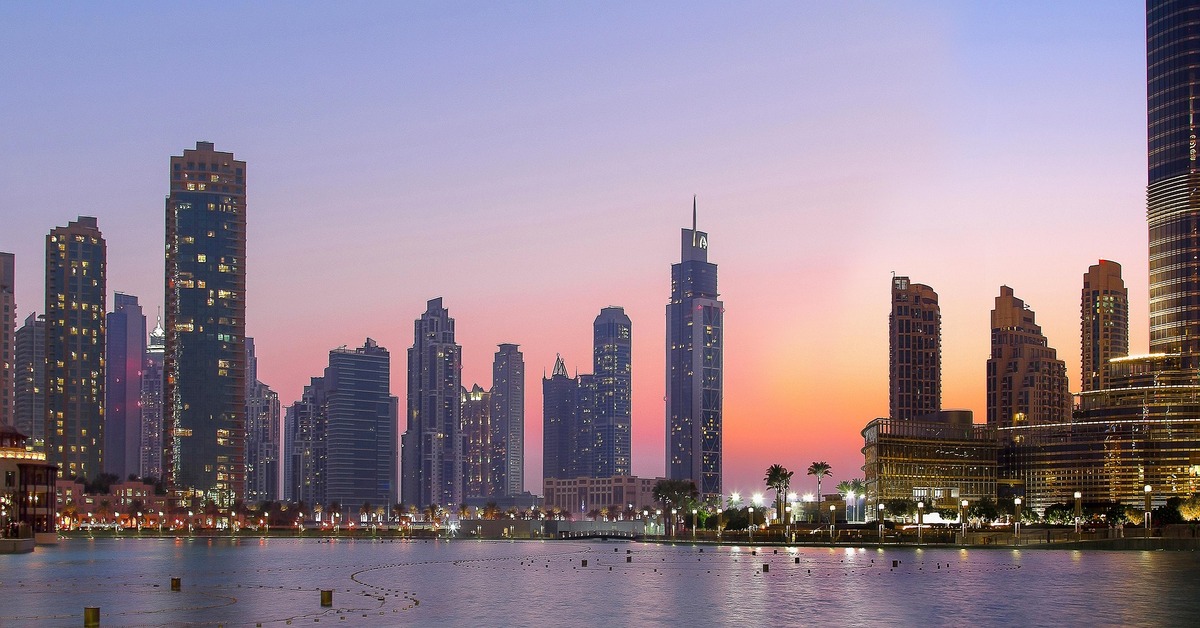
Emaar, DAMAC, Sobha, and Nakheel are four of Dubai’s most established developers, each trusted for different reasons. Emaar is known for its track record, scale, and premium locations. DAMAC stands out for luxury-branded developments and a large portfolio. Sobha is recognised for construction quality and in-house construction, while Nakheel is government-backed and behind landmark master developments like Palm Jumeirah.
There is no single ‘best’ dubai real estate developer—the right choice depends on whether you value delivery track record, build quality, brand, or a specific location. This guide offers an honest comparison as part of our complete Dubai Off-Plan Property playbook.
Table of Contents
How should you compare Dubai real estate developers at all?
When comparing Dubai developers, focus on four key factors that shape your experience: historical on-time delivery, financial strength and stability, construction and finish quality, and after-handover service reputation. Marketing materials are similar across all major developers, so a brochure does not reveal much. What matters most is the developer’s actual track record.
It’s also important to keep one caveat in mind: individual projects vary within every developer’s portfolio. Even the most reputable developer has had specific projects delayed or underperform, and even a less-established developer can deliver an excellent individual project. So a developer’s overall reputation is the starting point for your due diligence, not a substitute for evaluating the specific project you’re considering.
With that in mind, here is how each of the four best-known developers is viewed across these factors, including both strengths and honest caveats.
Emaar — what they’re known for

Emaar is Dubai’s largest and most established developer. It is often seen as the benchmark for delivery track record and premium positioning, and is behind landmark developments like Downtown Dubai, Dubai Hills Estate, and Dubai Creek Harbour. For many buyers, Emaar is considered the lowest-risk and most liquid option in the market, so its units usually come with a higher price tag.
Emaar’s main strengths are its long and consistent record of delivering large projects, strong resale liquidity, and premium, well-connected locations. As a publicly listed company, Emaar also offers more financial transparency and accountability than private developers. These factors make Emaar a popular choice for first-time or risk-averse off-plan buyers.
The main drawback is price. Emaar’s reputation is reflected in its prices, so you usually pay more for an Emaar unit than for a similar unit from a less-established developer. Whether this premium is worth it depends on how much you value lower risk and higher liquidity. For many buyers, it is, but Emaar is rarely the cheapest option in any area.
DAMAC — what they’re known for
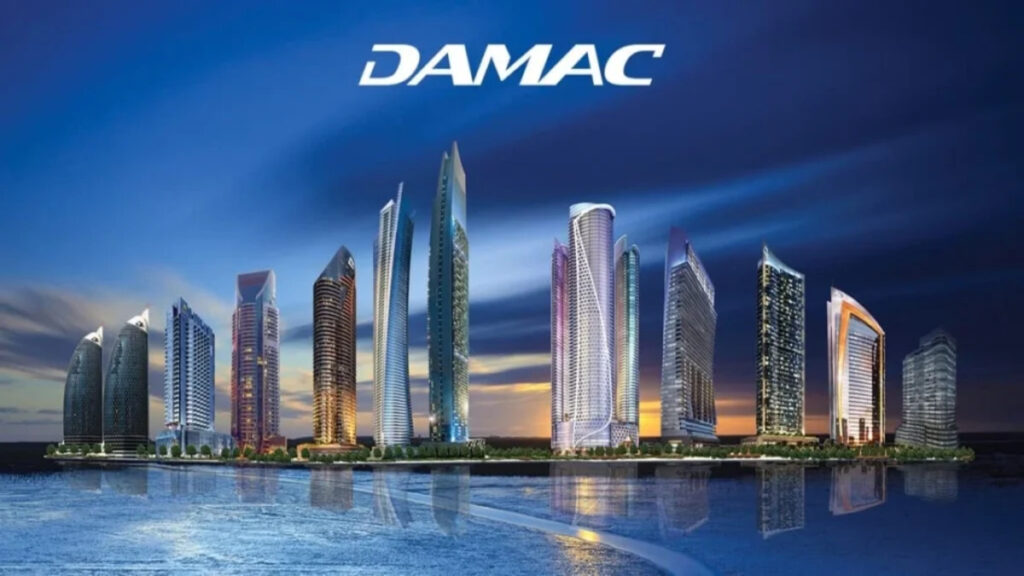
DAMAC is one of Dubai’s largest private developers. It is known for luxury-branded and design-partnership developments, a large and varied portfolio, and a strong marketing presence. DAMAC is a well-established name with a wide range of projects.
DAMAC’s strengths include its scale and variety, with a large portfolio that covers many price points, locations, and styles. It has delivered many completed projects over the years and focuses on luxury positioning and branded partnerships, which attract buyers looking for a distinctive, design-led product.
DAMAC is a well-known name with a strong track record of delivery. The main caveat is that with such a broad portfolio, experiences can vary from project to project. Timelines and buyer experiences are not always the same across all developments.
Always evaluate the specific DAMAC project you are considering rather than relying on the brand name alone.
Sobha — what they’re known for
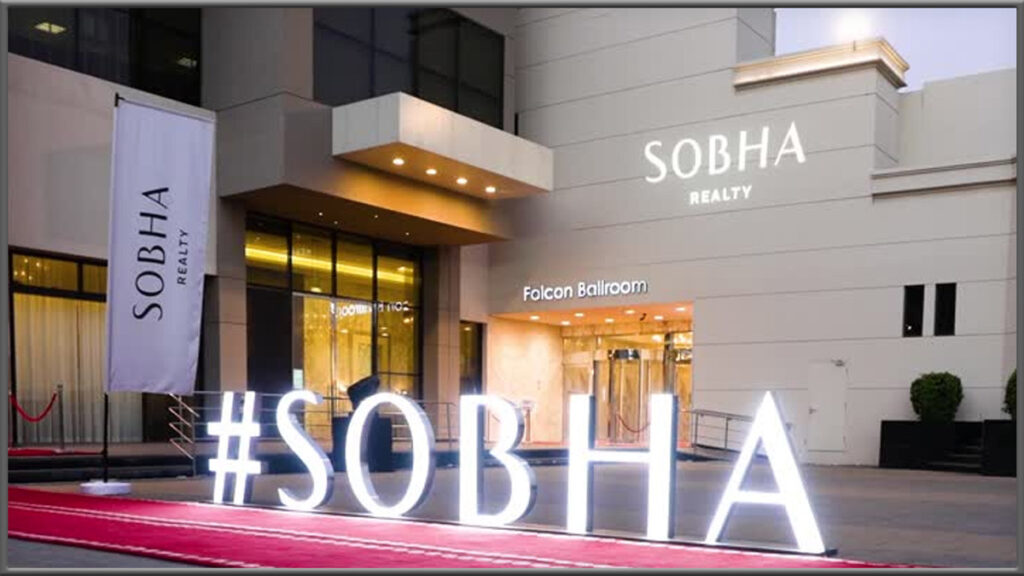
Sobha Realty: Sobha Realty is known as a construction-quality specialist, thanks to its in-house, backwards-integrated building model. Sobha handles much of its own construction instead of fully outsourcing, which the company says leads to more consistent finish quality. Buyers who care most about build and finish quality often choose
Sobha for this reason. Its strengths: a reputation for construction and finish quality that many buyers rate highly, the quality-control advantage of an in-house build model, and flagship communities such as Sobha Hartland in MBR City that have been well-received. Sobha has positioned itself on quality, and that positioning is generally borne out in its reputation among owners.
The main caveat is that Sobha’s portfolio, while strong, is more focused than those of Emaar and DAMAC. This means there are fewer locations and price points to choose from.
Buyers usually choose Sobha for quality in the specific communities it builds in, not for a broad market range. Because of this focus, Sobha is often judged first on finish quality, then on location and project details.
Nakheel — what they’re known for
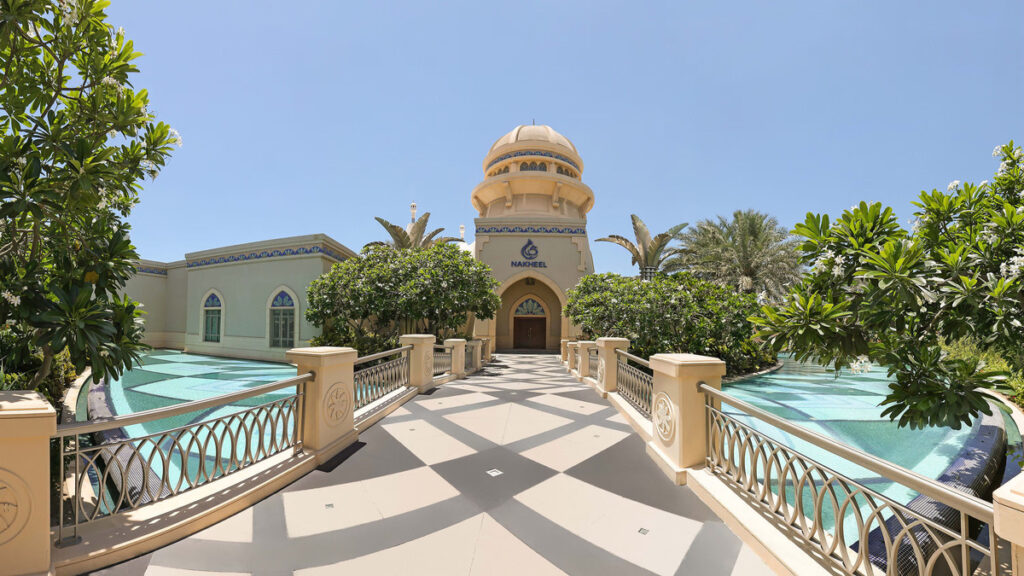
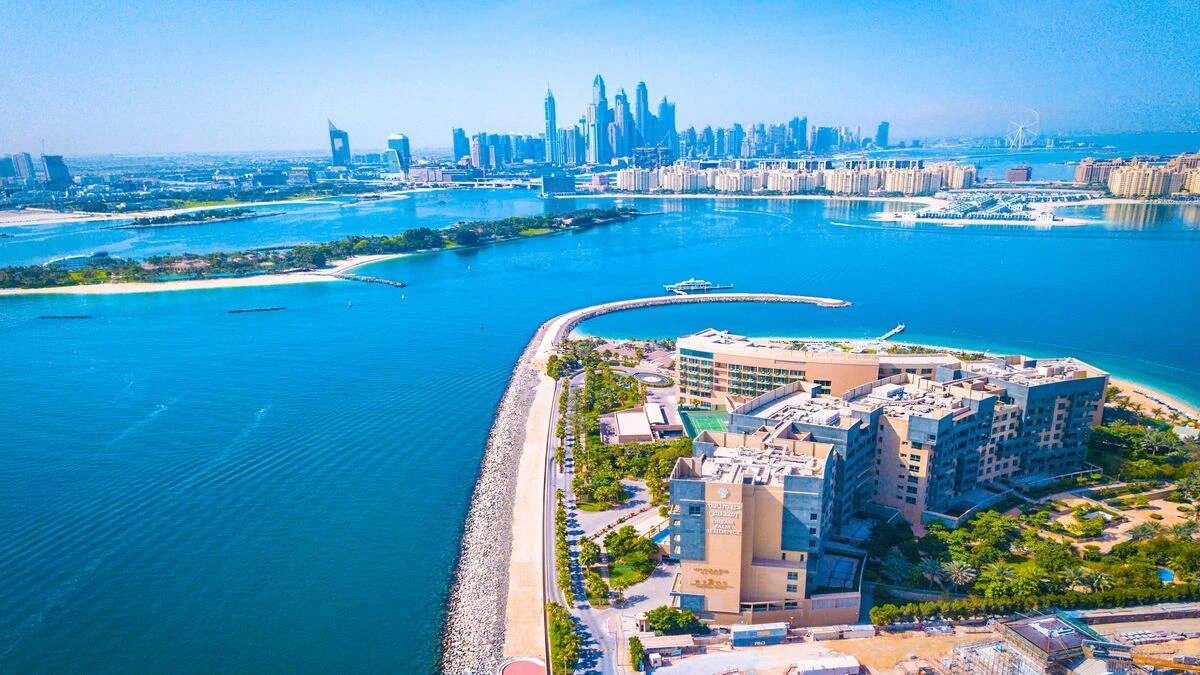
Nakheel is a government-backed master developer best known for landmark mega-projects, especially Palm Jumeirah, and for large-scale community development rather than many individual apartment launches. Its government support gives Nakheel a unique profile among Dubai developers, one linked to scale, ambition, and long-term master planning.
The genuine strengths: governmentNakheel’s main strengths are its government backing, which many buyers see as a sign of stability and long-term commitment, and its track record of delivering some of Dubai’s most iconic and lasting developments. Nakheel is also skilled in creating large-scale master communities.
Owning property in a Nakheel landmark development brings a special prestige and, in places like the Palm, strong ongoing demand. Nakheel’s track record varies by master-development and phase, so the specific location and project details matter as much as the Nakheel name itself.
As a buyer, evaluate the exact community, phase, and timing you are considering before relying on the brand alone.s what each developer is best known for. Treat it as a starting orientation, not a substitute for evaluating the specific project you’re considering.
| Developer | Most known for | Best fit for a buyer who prioritizes |
| Emaar | Track record, scale, premium locations, liquidity | Lowest risk and easy resale (accepts a price premium) |
| DAMAC | Luxury branding, large and varied portfolio | Choice, design-led and branded product |
| Sobha | Construction and finish quality, in-house build | Build quality above all |
| Nakheel | Government backing, landmark master-developments | Iconic locations and master-community scale |
Which real estate developer in Dubai is right for you?
The right developer for you depends on what you value most. Choose Emaar if you want the lowest risk, a strong track record, and easy resale, and are willing to pay a premium.
Pick DAMAC if you want a wide range of choices and a design-led or branded product. Go with Sobha if construction and finish quality are your top priorities and you want a developer known for that.
Choose Nakheel if you are interested in an iconic, government-backed master-development location. Matching the developer to your own priorities is more important than any general ‘best developer’ label.
A few common buyer situations make it clearer. A first-time, risk-averse off-plan buyer often gravitates to Emaar for its track record and liquidity, accepting the premium as the price of lower risk. A buyer who prioritises the quality of the finished home often looks closely at Sobha.
A buyer wanting a specific branded or design-led product, or simply the widest range to choose from, finds it across DAMAC’s portfolio. And a buyer drawn to a landmark location with long-term master-community backing considers Nakheel developments.
No matter which developer you prefer, always apply the same project-level due diligence. You should still check the specific project’s registration, payment plan, location, and price on their own merits, regardless of the developer’s reputation.
Use the full evaluation framework: Best Off-Plan Projects in Dubai and How to Evaluate Risk & Return.
What about the smaller and newer developers?
Beyond the big four, Dubai has dozens of other developers, such as Azizi, Danube, Binghatti, Ellington, and many more. These range from well-established, well-regarded companies to newer entrants with shorter track records.
Choosing a smaller or newer developer is not automatically a bad choice, but it does require more careful due diligence because there is less delivery history to review.
Some smaller developers have built strong reputations in specific niches, such as certain areas, price points, or design styles, and can offer competitive pricing or payment terms that larger developers may not offer.
The key is to look closely at their track record, financial backing, and RERA registration when there is no long delivery history to rely on.
The evaluation framework is even more important when you know less about the developer.ration and protect your payments: How to Avoid Dubai Off-Plan Scams — Due Diligence Checklist.
Frequently asked questions
Who is the most reliable property developer in Dubai?
Emaar is widely regarded as one of the most reliable developers in Dubai, thanks to its long track record of delivering large projects, its scale, and its status as a publicly listed company. That said, “most reliable” depends on how you weight factors — Sobha is highly regarded for build quality, and reliability should always be checked at the specific-project level rather than assumed from the developer’s overall name alone.
Is Emaar better than DAMAC?
Emaar and DAMAC meet different buyer priorities instead of one being simply ‘better.’ Emaar is usually linked to a strong track record, premium locations, and resale liquidity, while DAMAC is known for luxury branding and a large, varied portfolio. The better choice depends on whether you value a low-risk track record and liquidity (Emaar) or a wide range of choices and design-led products (DAMAC).
Which Dubai developer has the best build quality?
Sobha is the developer most commonly associated with build-and-finish quality, largely due to its in-house, backwards-integrated construction model. Build-quality perceptions are somewhat subjective and vary by project, but Sobha has specifically positioned itself on the quality dimension and is generally well regarded for it among owners.
Are Nakheel properties a good investment?
Nakheel properties in established landmark locations, such as Palm Jumeirah, have historically enjoyed strong demand and prestige, thanks to the developer’s government backing. As with any developer, the investment case depends on the specific location, phase, and price, not just the Nakheel name. A landmark location usually supports demand, but individual project performance can still vary.
Should I only buy from the big-name developers?
You do not have to buy only from big-name developers. Some smaller and newer developers offer excellent products and competitive terms. However, buying from a well-established developer gives you a longer track record to review and usually greater financial stability. If you choose a smaller developer, make sure to check their delivery history, financial backing, and RERA registration carefully. Yes, the developer can affect resale value and liquidity. Established names like Emaar usually have strong secondary-market demand, which makes reselling easier. Units from well-regarded developers often resell more quickly than those from lesser-known developers, although the specific area, unit, and market conditions at the time of sale are still the biggest factors in resale value.
Your next steps
Once you’ve narrowed your developer, evaluate the specific project properly. This guide sits within our complete **Dubai Off-Plan Property playbook**.
- Evaluate a specific project: Best Off-Plan Projects — How to Evaluate Risk & Return.
- Understand Dubai Off-Plan Payment Plans: Explained.
- Protect yourself: How to Avoid Dubai Off-Plan Scams.
- Explore specific areas: MBR City, Dubai South, and Dubai Creek Harbour guides.
Are you comparing two developers for a specific purchase and want a neutral second opinion? Message us on WhatsApp. We do not work for any developer, so you will get an honest answer.
Last reviewed: June 2026 by RaynaSean, Dubai-resident writer covering the property market since 2020.
A note on neutrality: We are not affiliated with, paid by, or selling on behalf of any developer named here. Characterisations reflect widely understood market reputation and may evolve; individual projects vary across every developer’s portfolio. This guide is informational, not financial or investment advice.