









In mid-2024, I swapped Downtown’s glamour for Business Bay’s value, saving about AED 20,000 on rent. While initial savings seemed promising, a deeper dive unveiled surprising insights that reshaped my understanding of what makes a place truly worth living in. From unexpected hidden costs to evolving lifestyle preferences, here’s an honest look at Downtown vs Business Bay; why the move seemed bright at first, and why I ended up regretting it.
The Numbers: How Saving AED 20k Looked on Paper
At first, my decision was all about money. Rents in Downtown were rising fast. By late 2024, the median yearly rent for a one-bedroom apartment was about AED 132,000, and two-bedrooms usually cost between AED 207,000 and AED 355,000.
Even older studios in Downtown averaged AED 50,000 per year, and service charges for luxury towers made things more expensive. In comparison, similar apartments in Business Bay were much cheaper. Studies show that in 2025, the average yearly rent in Business Bay was AED 91,900 to 137,000 for a one-bedroom and AED 129,800 to 165,000 for a two-bedroom. Studios in Business Bay start at about AED 50,000, one-bedrooms from AED 65,000, and two-bedrooms from AED 90,000.
I crunched the numbers. Moving from my Downtown one-bedroom (AED 125,000 at renewal) to a similar place in Business Bay, listed at AED 105,000, would save me almost AED 20,000. Service charges were a bit lower – 14 to 17 AED per square foot in many towers compared to Downtown’s higher fees. Plus, I’d still be close to my office in DIFC. On paper, it seemed like a win: lower rent, a similar skyline, and only a short drive away.
Why Downtown Is Hard to Leave

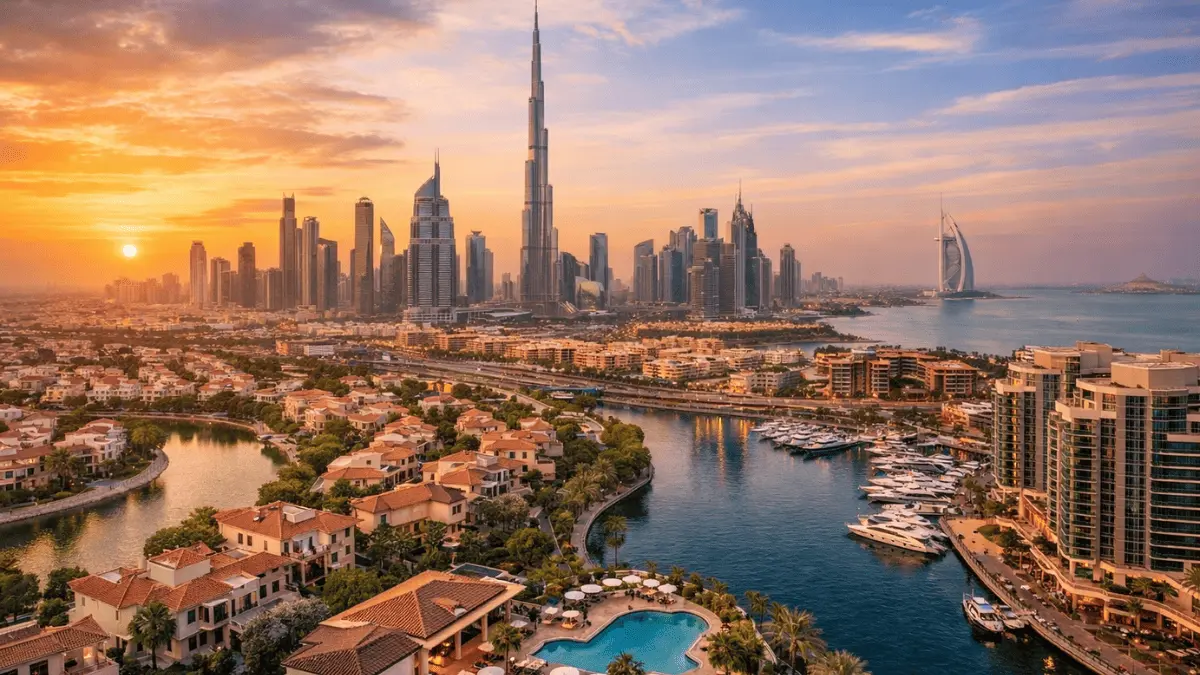
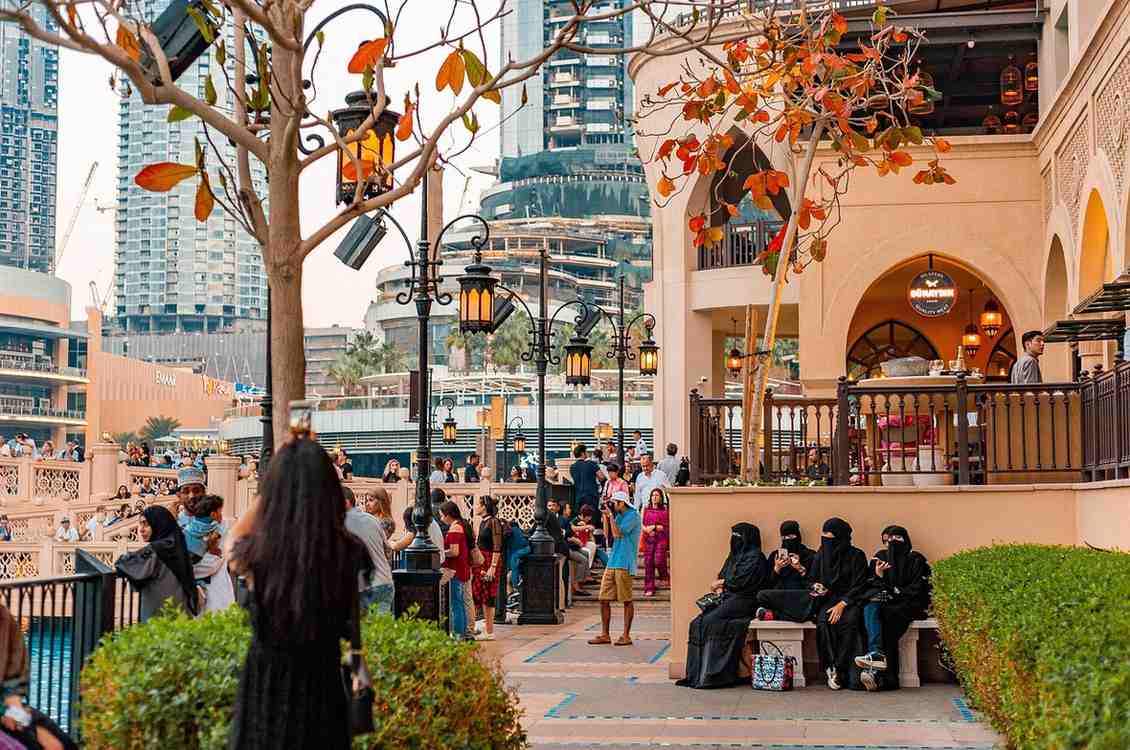
Living in Downtown Dubai feels like being in a postcard. The area is centered around famous landmarks like the Burj Khalifa and Dubai Mall. Residents can enjoy Michelin-star dining, fountain shows, and luxury shopping all within the neighborhood. Some of the benefits of living in Downtown are:
- Central location: quick access to DIFC, Business Bay, and major roads like Sheikh Zayed Road
- Entertainment & lifestyle: Dubai Opera, fountain shows, and world‑class restaurants are steps away.
- Shopping convenience: everything from high‑end boutiques to supermarkets such as Spinneys and Waitrose.
- Safety and prestige: secure high‑rise towers with concierge services and safe boulevards. Of course, all these perks come at a cost. Downtown Dubai is one of the priciest places to live in the city, and everything from rent to daily essentials costs much more than in other areas.
Traffic near Sheikh Zayed Road and the Burj Khalifa/Dubai Mall metro station is often jammed, and there aren’t many school options for families. Still, the things you can’t measure kept me there. I could walk to the fountain shows after dinner, grab groceries on foot, and enjoy the lively atmosphere from my balcony.
The area felt polished and easy to walk around, with wide streets and public art adding character. When friends visited from abroad, Downtown always made a great first impression.
The Lure of Business Bay: Affordability and Ambition
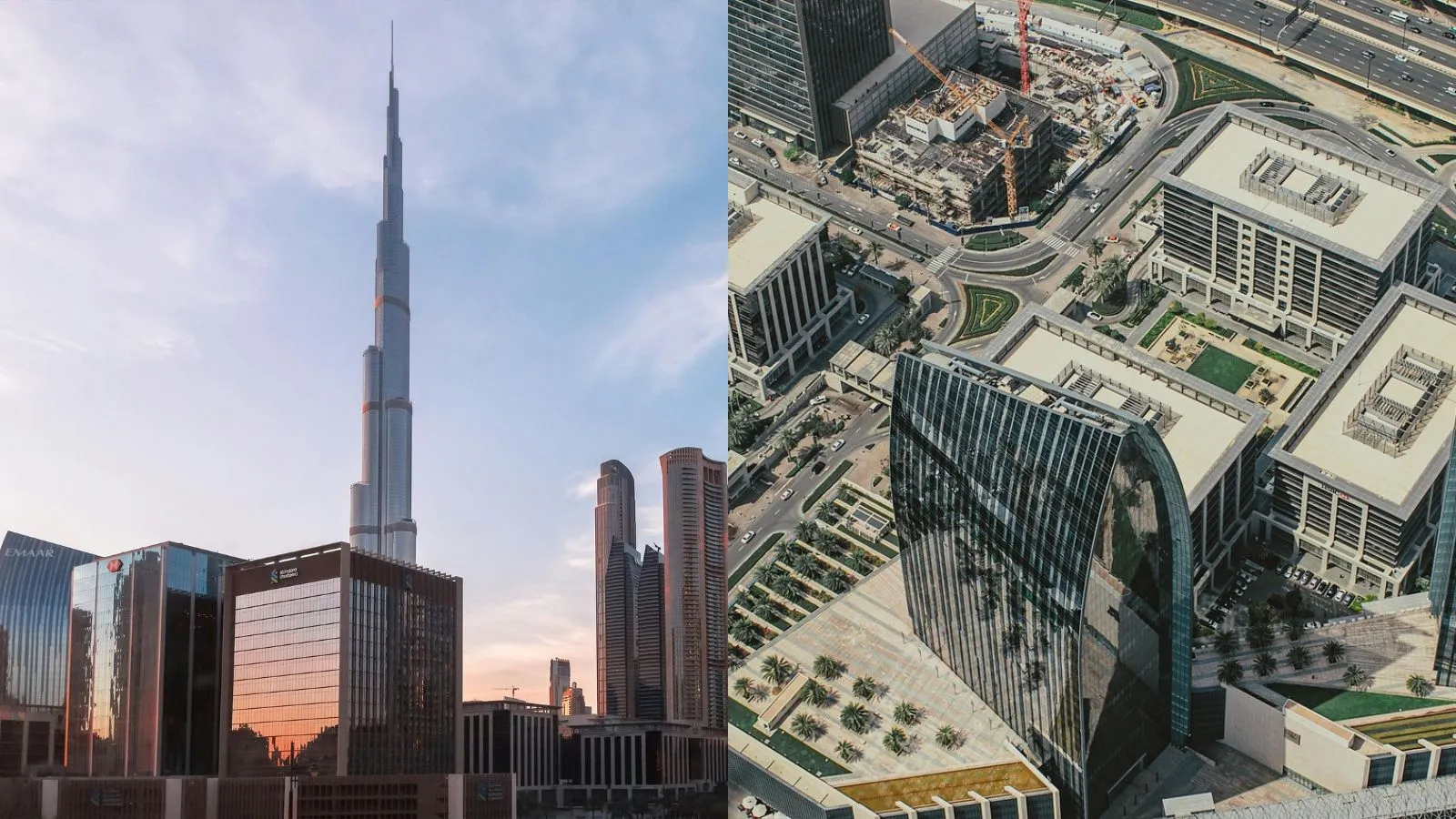
Business Bay is right across the canal from Downtown. It started as a business area but has grown into a mixed community with high-rise homes, offices, hotels, and the Dubai Water Canal. Property consultants say prices per square foot in Business Bay are 15 to 20 percent lower than in Downtown.
In 2025, Business Bay is a “vibrant, multifaceted community” with a skyline full of high-end residential towers and a great location between Sheikh Zayed Road and Al Khail Road.
Key benefits I considered included:
- Lower rent: one‑bedrooms from AED 65k and two‑bedrooms from AED 90k, offering annual savings of tens of thousands of dirhams.
- Central connectivity: just 10–15 minutes to Downtown, DIFC, and the airport, with its own metro station and bus network.
- Waterfront lifestyle: the 3.2 km Dubai Water Canal turns Business Bay into a waterfront destination. Visitors can run, walk, or cycle along the 6.4 km promenade on either side of the canal and cross via five pedestrian bridges.
- Dining & recreation: Bay Avenue, La Perle, and numerous canal‑side cafés offer a lively social scene.
- Modern amenities: most towers include gyms, pools, and concierge services, and community parks like Bay Avenue Park add green spaces.
With all these factors, Business Bay looked like a smart middle ground: central but more affordable, lively but less crowded with tourists, and still full of modern Dubai’s perks.

The Reality Check: What I Gave Up
Walkability & Community
Downtown’s walkable streets spoiled me. In Business Bay, the towers are farther apart, and there’s not much shade. The canal promenade is lovely, but away from the water, the area feels disconnected. Sometimes the sidewalks end, so you have to walk on service roads. In the evenings, I missed walking to the Opera or seeing the fountain show—most outings meant a short drive.
Business Bay’s central spot means lots of traffic. Roads near Sheikh Zayed Road and Al Khail Road get busy during rush hour, and living in high-rises on busy streets means dealing with traffic and construction noise. The metro helps, but my car commute often takes just as long as the one from Downtown because of congestion. At night, delivery bikes and honking taxis made things noisy, especially near Marasi Drive.
Daily Conveniences
In Downtown, I could run errands just a few blocks from home. In Business Bay, I had to plan ahead. Groceries were available, but the smaller supermarkets didn’t have as much, and a quick trip to a bigger mall meant dealing with traffic.
There are cafés and restaurants in Business Bay, but I missed having so many everyday conveniences like Waitrose and Spinneys in one place, plus services like vets, specialty gyms, and dry cleaners. I often found myself going back to Downtown for these things.
Family Considerations
I don’t have kids, but many of my friends do. Business Bay has nurseries but no big schools, so families have to drive to Al Safa or Jumeirah. Downtown also has a few schools, but its family-friendly amenities and safe streets make it feel more welcoming. Business Bay’s tall buildings and few green spaces make it feel more business-like, so families often look to the suburbs for parks and playgrounds.
Hidden Costs
Lower rent doesn’t always mean lower living costs. Some newer towers in Business Bay charge service fees of over AED 20 per square foot, and you might have to pay extra for parking or chilled water. Traffic jams also waste time and fuel, and many restaurants are in upscale hotels. After a year, my real savings compared to Downtown were closer to AED 10,000 once I factored in extra taxi fares, parking, and lost time. Here’s a clear summary of the hidden costs I encountered:
Service charges: Up to AED 20 per square foot, higher than expected.
Parking fees: Extra charges for parking spaces.
Chilled water fees: Additional charges not initially considered.
Traffic-related costs: Time and fuel wasted in traffic jams.
Dining expenses: Higher costs at upscale hotel restaurants.
Commuting expenses: Increased taxi fares due to location.
By accounting for these hidden expenses, renters can better budget for their move and avoid surprises. My experience doesn’t mean Business Bay is a bad place to live. It really depends on your lifestyle. If you want a modern apartment with canal views at a lower rent, and you don’t mind driving or using ride apps, Business Bay is a great option. Investors also like its strong rental yields of 6 to 9 percent and steady flow of new projects.
Young professionals who work in DIFC or Downtown find the commute manageable and enjoy the nightlife around Al Habtoor City. The Dubai Water Canal’s promenades are perfect for runners and cyclists, and events such as farmers’ markets enliven the community.
At the same time, Downtown keeps its high prices because people value walkability, prestige, and being in the heart of the city. Rents stay high because demand is strong, but for many, the convenience and lifestyle are worth the extra cost.
Lessons Learned & Advice for Movers
Price isn’t everything. Saving AED 20,000 sounded great, but your time, convenience, and daily happiness matter more. Look at the total cost of living: rent, service charges, commuting, and parking, not just the rent itself.
Visit at different times of day. Check out neighbourhoods during rush hour, midday, and late at night. Business Bay’s traffic and noise can change a lot depending on the street; some canal-side towers are quiet, while others are right next to busy roads.
Think about walkability. If you like walking to cafés, supermarkets, and entertainment, Downtown is the better choice. Business Bay is getting better for pedestrians, but it’s not there yet. If you primarily use taxis or drive, this might not be a big deal.
Future developments matter. The Dubai future developments are essential. The Dubai Water Canal keeps bringing in new shops and homes, and Business Bay’s skyline is changing fast. Downtown is also adding luxury hotels and mixed-use towers so that both areas could look very different in a few years. Families may prefer communities with larger green spaces and schools.
Young professionals might choose Business Bay or Downtown depending on whether they value nightlife, community feel, or prestige. If you want value and higher yields, Business Bay often delivers; if you want iconic views and a cohesive urban experience, Downtown still reigns.
For those considering other areas in Dubai, neighborhoods like Jumeirah Lake Towers (JLT) or Jumeirah Village Circle (JVC) provide a balance of affordability and city living. JLT offers a lakeside setting with modern amenities, while JVC is known for its community-centric layout and parks. Both are emerging as attractive alternatives for those seeking a blend of cost-effectiveness and lifestyle.
Downtown vs Business Bay: Final Thoughts
Moving across the canal taught me that real estate choices are about lifestyle as much as money. I saved on rent, but I lost the convenience and character that made Downtown feel like home.
Business Bay has grown into a lively area with its own appeal, but the longer commute, less walkable streets, and hidden costs ate into my savings. Looking back, I would have tried to renegotiate my Downtown lease, picked a cheaper Downtown building, or considered other neighborhoods that offer both affordability and good amenities.
Here are some practical tips for negotiating rent or finding deals that could help future renters: Research comparable units in the neighborhood to understand the market rate before negotiating. Highlight any longevity as a tenant or excellent payment history when discussing terms.
If possible, offer to sign a longer lease in exchange for a lower rate, and don’t hesitate to ask for additional incentives, such as reduced service charges or free parking. Exploring off-peak moving seasons can also result in better deals.
If you’re deciding between Downtown and Business Bay, think carefully about what matters most to you. What you value most will determine what side of the canal really feels like home.
Decision Checklist:
Budget Consideration: Can you truly afford the rent and hidden costs in your preferred area? Is saving on rent your highest priority?
Lifestyle Preferences: Do you enjoy a walkable area with direct access to entertainment and amenities, or are you comfortable using a car or public transit more frequently?
Commute Distance: How important is a short commute to your workplace, and how much time are you willing to spend traveling each day?
Neighborhood Vibe: Do you prefer the bustling, touristic atmosphere of Downtown or the burgeoning, business-oriented community in Business Bay?
Future Developments: Are you interested in areas with evolving infrastructures that might add value over time?
Family Needs: If you have children or plan to, are there schools and child-friendly amenities available nearby?
Investment Potential: Are you considering the real estate as a long-term investment with growth potential?
These guiding questions can help crystallize your priorities and lead you to the right choice for your lifestyle and needs.